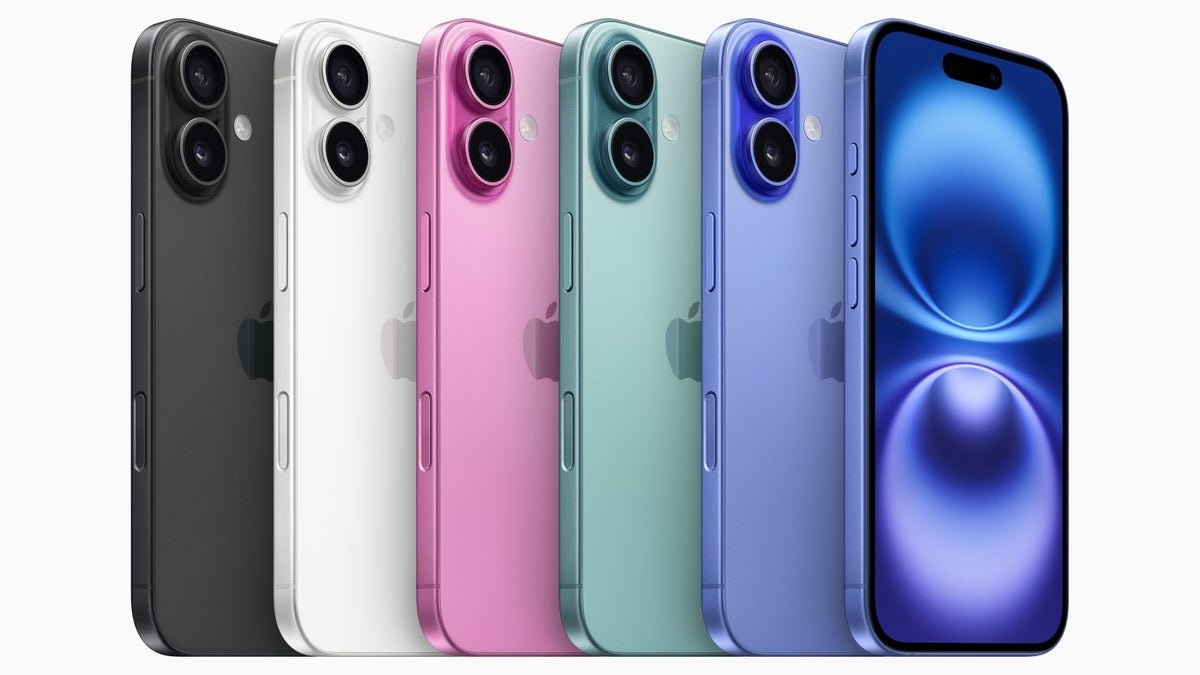
The rumor mill has churned, the whispers have solidified, and now, the moment of truth has arrived: Apple has officially pulled back the curtain on its latest entry-level contender. If you’ve been eagerly awaiting details on the iPhone 16e Price, Release Date, and Availability, you’re in the right place. This isn't just another incremental update; the 16e steps in as a critical new player, cementing Apple's transition to USB-C across its entire iPhone lineup and bringing a fresh blend of power and practicality to a wider audience.
But what does "entry-level" truly mean in Apple's 2025 landscape? And does its US$599 starting price justify the feature set it brings to the table? Let's peel back the layers and uncover everything you need to know.
iPhone 16e: At a Glance
For those who want the key takeaways right upfront, here’s a quick snapshot of the iPhone 16e:
- Official Announcement: February 19, 2025
- Pre-orders Begin: February 21, 2025
- General Release Date: February 28, 2025
- Starting Price: US$599 (for 128 GB configuration)
- Display: 6.1-inch Super Retina XDR OLED with notch (no Dynamic Island)
- Processor: Apple A18 SoC (4 GPU cores)
- RAM: 8 GB
- Storage Options: 128 GB, 256 GB, 512 GB
- Rear Camera: Single 48 MP Fusion (f/1.6, OIS, 4K/60fps) with 1x/2x optical zoom via sensor crop
- Front Camera: 12 MP TrueDepth (f/1.9, autofocus, 4K)
- Key Features: USB-C port (no DisplayPort), Action button, Apple C1 cellular modem, Face ID, IP68 water resistance, Apple Intelligence integration, satellite features, Crash Detection.
- Battery Life: Up to 26 hours video playback, 90 hours audio playback.
- Colors: Black, White.
The Big Reveal: Mark Your Calendars for the iPhone 16e
The waiting game is officially over. Apple unveiled the iPhone 16e alongside the rest of the eighteenth-generation iPhone lineup (iPhone 16, iPhone 16 Plus, iPhone 16 Pro, and iPhone 16 Pro Max) on February 19, 2025. This announcement kicked off a swift rollout, with pre-orders becoming available just two days later on February 21, 2025.
If you're eager to get your hands on one, the official release date was set for February 28, 2025. This means that by the end of February, the iPhone 16e began shipping to customers and appearing on store shelves, making it readily available across Apple's distribution channels and partner carriers.
With the arrival of the iPhone 16e, Apple has also completed a significant transition: all new iPhone models now feature a USB-C port, phasing out the proprietary Lightning connector entirely. To make way for this new entry, the iPhone 14, iPhone 14 Plus, and the venerable iPhone SE (3rd generation) have been discontinued. This streamlines Apple's offerings, pushing customers towards the USB-C standard and newer technologies.
Unpacking the Price Tag: Is US$599 the Right Fit for You?
Let’s talk money. The iPhone 16e is positioned as Apple's new entry-level smartphone, but its pricing reflects a strategic shift. The starting price for the iPhone 16e is US$599 for the 128 GB storage configuration.
For those familiar with previous entry-points, this marks a notable increase:
- It's a US$170 increase over the starting price of the iPhone SE (3rd generation).
- It's a US$120 increase over the 128 GB iPhone SE (3rd generation), which typically came in at a lower price point than the 16e's base model.
While $599 isn't exactly "cheap" in the broader smartphone market, it's Apple's most accessible gateway to its latest generation of iPhones, complete with a powerful new chip and integral software advancements. Beyond the base 128 GB model, the iPhone 16e is also available in 256 GB and 512 GB storage configurations, though these will naturally command higher prices. While Apple hasn't detailed specific pricing for these tiers, expect the typical incremental jumps as you scale up storage.
Is this price justified? To answer that, we need to look beyond the number and dive into what this "e" model actually brings to the table.
Beyond the Price: What the iPhone 16e Delivers
The "e" in iPhone 16e might stand for "essential" or "efficient," but it’s packed with modern features that aim to offer a robust iPhone experience without the "Pro" price tag. Here’s a detailed look at what you get for your investment.
A Brighter, Edgier Display (and a Familiar Notch)
You'll be greeted by an edge-to-edge 6.1-inch Super Retina XDR OLED display, a significant upgrade for anyone coming from an older LCD-based iPhone. This panel boasts a sharp 2532 × 1170 pixel resolution, yielding 460 pixels per inch (PPI) for crisp visuals. While it delivers vibrant colors and deep blacks, a key distinction from its Pro siblings (and even the standard iPhone 15) is the retention of the traditional iPhone notch for Face ID, rather than the more interactive Dynamic Island. This is one of the design choices that helps keep the cost down.
Power Under the Hood: The A18 Chip and a Custom Modem
The iPhone 16e isn't skimping on performance. It's powered by the new Apple A18 SoC, featuring 4 GPU cores. This chip delivers snappy performance for everything from daily tasks to demanding games, ensuring that your iPhone remains responsive and capable for years to come. Complementing this is a generous 8 GB of RAM, contributing to smooth multitasking and app handling.
Perhaps one of the most intriguing technological leaps in the 16e is the incorporation of Apple's custom C1 cellular modem. This marks an industry first for Apple, signaling a move towards greater vertical integration and control over a crucial component. The C1 modem is engineered for impressive power efficiency and has shown in early tests to match or even exceed the performance of comparable Qualcomm modems in various scenarios. However, it's important to note that the C1 modem in the 16e does not support mmWave 5G, which primarily impacts super-fast 5G speeds in highly urbanized, specific deployments. For most users, this won't be a dealbreaker, as sub-6GHz 5G provides ample speed and broader coverage.
Storage for Your Life
With the growing size of apps, photos, and videos, ample storage is key. The iPhone 16e comes in three practical storage configurations: 128 GB, 256 GB, and 512 GB. The 128 GB base model is often sufficient for many users, but the larger options offer plenty of headroom for extensive media libraries and future-proofing.
Crafted for Durability and Comfort
Apple has maintained its high standards for build quality with the 16e. It features a robust aluminum frame paired with a durable Ceramic Shield front glass for enhanced drop protection. The back glass sports a matte finish, offering a more premium feel and better grip than glossy alternatives. The device shares its dimensions with the iPhone 13, iPhone 13 Pro, and iPhone 14, providing a familiar form factor that's comfortable to hold. Furthermore, with an IP68 rating for dust and water resistance, the iPhone 16e can withstand submersion in up to 6 meters of water for 30 minutes, giving you peace of mind against accidental spills and splashes. It's available in two classic finishes: Black and White.
The Action Button Arrives
A feature previously exclusive to Pro models, the Action button makes its debut on the iPhone 16e. Replacing the traditional mute switch, this customizable button can be programmed for a variety of functions, from launching the camera or flashlight to activating Voice Memos or even triggering a custom Shortcut. Its integration with Apple Intelligence (more on that below) allows for innovative visual intelligence functions, making it a truly versatile addition.
Your Personal Photographer: The iPhone 16e Camera
While not a Pro-level camera system, the iPhone 16e offers a highly capable imaging setup. The rear features a single 48 MP Fusion camera with an f/1.6 aperture, autofocus, and optical image stabilization (OIS). This main camera provides optical zoom options (1x, 2x) by cleverly cropping the high-resolution sensor, a method proven to yield excellent results. It can record stunning 4K video up to 60 frames per second.
On the front, a 12 MP TrueDepth module with an f/1.9 aperture and autofocus ensures crisp selfies and clear video calls, also capable of 4K video recording. The camera system benefits from Apple's advanced computational photography features, including Smart HDR 5, Portrait mode (optimized for human faces), Portrait Lighting, depth control, advanced bokeh, Photonic Engine, Deep Fusion, Photographic Styles, and Night Mode.
However, to differentiate it from its more expensive siblings, the 16e omits certain features like an ultra-wide camera, Camera Control, Cinematic Mode, and Action Mode. For most everyday users, the core 48 MP camera and advanced software processing will be more than sufficient.
Enduring Power & Modern Connectivity
Battery life is often a make-or-break feature, and the iPhone 16e truly shines here. It boasts impressive longevity, offering up to 26 hours of video playback and a whopping 90 hours of audio playback. These numbers represent significant improvements over previous 6.1-inch iPhones and SE models, ensuring your device keeps pace with your day.
As mentioned, the 16e fully embraces USB-C for charging and data transfer, aligning with current industry standards. It's important to note, however, that this port does not support DisplayPort video output, meaning you can't directly connect it to an external monitor for video mirroring like you can with some higher-end iPhones. For wireless power, it supports standard Qi wireless charging up to 7.5 W, but it foregoes MagSafe and the newer Qi2 magnetic charging standards, which is another feature compromise to hit its price point.
Safety and connectivity are also paramount. The iPhone 16e includes Apple's suite of satellite features, allowing for crucial communication like Messages via satellite, Emergency SOS via satellite, Roadside Assistance via satellite, and Find My via satellite in areas without cellular coverage. It also retains the life-saving Crash Detection feature, automatically alerting emergency services if you're in a severe car accident.
The Intelligence Within: iOS 18.3 & Apple Intelligence
Beyond the hardware, the iPhone 16e runs on iOS 18.3 out of the box, with a day one update to 18.3.1 ensuring you have the latest stable software. It's also future-proof, supporting upcoming updates all the way through iOS 26.
Crucially, the iPhone 16e integrates Apple Intelligence, Apple's personalized intelligence system that leverages generative AI directly on your device. This unlocks a host of powerful features, including:
- Clean Up in Photos, letting you effortlessly remove distracting objects from your images.
- Natural language search in Photos, making it easier to find specific moments ("show me photos of my dog at the beach last summer").
- Image Playground for creating fun, personalized images.
- Genmoji for custom emoji generation.
- Advanced Writing Tools to help you refine text across various apps.
- An enhanced Siri that is more conversational and contextually aware.
- Optional ChatGPT integration for more complex queries and content generation.
The inclusion of Apple Intelligence is a major selling point, offering a glimpse into the future of intuitive, AI-powered interactions. To truly grasp the breadth of these new capabilities, you might want to consider a deep dive into Apple Intelligence.
Initial Impressions: What the Critics Are Saying
The iPhone 16e landed to generally positive reviews, though a common thread of discussion emerged around its pricing and specific feature omissions. Reviewers largely praised the performance of the custom Apple C1 modem, noting its reliability and efficiency, and were particularly impressed by the significant improvements in battery life. This makes the 16e a dependable daily driver for extended periods.
However, criticisms often centered on the US$599 price point in relation to the feature set. Many questioned its value compared to other iPhones or even some Android competitors, especially considering the lack of MagSafe wireless charging, an ultra-wide camera, and the Dynamic Island.
- CNET gave the iPhone 16e a score of 8.5/10, highlighting its strong performance and battery life but pointing out the absence of certain premium features.
- The Verge rated it 7/10, acknowledging its solid foundation but expressing reservations about its cost-to-feature ratio.
- Wired also scored it 7/10, praising its core competencies but questioning its position in a crowded market where alternatives, including older or refurbished iPhones, might offer better perceived value.
The consensus appears to be that the iPhone 16e is a reliable, powerful, and modern iPhone, but potential buyers should carefully weigh its capabilities against its cost, especially considering the compromises made to achieve its "entry-level" status.
Making Your Choice: Is the iPhone 16e the Right Fit for Your Wallet and Needs?
Deciding on any new smartphone is a personal journey, and the iPhone 16e presents a compelling, albeit specific, proposition. So, who is this phone for, and who might be better served by looking elsewhere?
The iPhone 16e is likely for you if:
- You're upgrading from an older iPhone (pre-iPhone 14): You'll experience a massive leap in display quality (OLED vs. LCD), performance (A18 chip), camera capabilities, battery life, and the modern convenience of USB-C.
- You want a modern Apple experience without the "Pro" premium: You get the latest A-series chip, the new Action button, Apple Intelligence, and a great camera for most situations, all at a lower price point than the iPhone 16 or 16 Pro.
- Excellent battery life is a top priority: The 16e's endurance is genuinely impressive and stands out as a major strength.
- You don't need all the camera bells and whistles: If you mostly take photos of people and everyday scenes and don't require an ultra-wide lens or advanced video modes, the 48 MP main camera will serve you well.
- You value the USB-C transition: Embracing the universal standard is important to you.
- MagSafe isn't essential for your charging needs: If you're fine with standard Qi wireless charging or wired USB-C, the omission won't bother you.
The iPhone 16e might not be the best choice if: - You're a power user who demands the absolute best: Features like the Dynamic Island, ProMotion display, a telephoto lens, ProRAW/ProRes video, and MagSafe might be worth the extra investment for a Pro model. You can explore the advanced features of the iPhone 16 Pro to see what you'd gain.
- You're on a very tight budget: While entry-level for Apple, $599 is still a significant sum. Older refurbished iPhones or even some current Android devices might offer a lower entry point, though with different ecosystem benefits.
- You rely heavily on specific features like ultra-wide photography or Cinematic Mode: These omissions are deliberate to differentiate the product line.
- You prioritize the fastest wireless charging: The lack of MagSafe or Qi2 means slower wireless charging speeds compared to other modern iPhones.
Ultimately, your decision should align with your daily usage, your budget, and what features you truly value. To help you weigh your options, our comprehensive guide, Is the iPhone 16e for you?, delves deeper into these trade-offs. You might also find our broader advice in our guide to choosing your next iPhone helpful in navigating the entire lineup.
Where the 16e Stands: A Look at the Broader iPhone Landscape
The iPhone 16e slots into Apple's refreshed lineup as the new foundation. It stands beside the iPhone 16 and iPhone 16 Plus (which offer larger screens and potentially slightly more robust features than the 'e' model), and the premium iPhone 16 Pro and iPhone 16 Pro Max. Its existence underscores Apple's commitment to providing an accessible entry point to its latest technologies, particularly the A18 chip and Apple Intelligence, while making USB-C the universal port across all new iPhones. It's the standard bearer for the base iPhone experience in 2025.
A Greener iPhone: The 16e's Environmental Commitment
In line with Apple's ambitious target of achieving carbon neutrality by 2030, the iPhone 16e incorporates significant environmental advancements. The device features over 30% recycled content across its components. This includes 100% recycled cobalt and 95% recycled lithium in its battery, marking important strides in sustainable material sourcing. Furthermore, the enclosure is made from 85% recycled aluminum. Even the packaging is entirely fiber-based, eliminating plastics to reduce its ecological footprint. This commitment demonstrates that opting for the latest technology doesn't have to come at a greater environmental cost.
Your Next Steps: Deciding on the iPhone 16e
The iPhone 16e represents a pivotal moment for Apple's entry-level offerings. It’s a powerful, modern, and capable device that brings the core iPhone experience, including groundbreaking AI features, into a more accessible price bracket.
Before making your final decision, consider these points:
- Evaluate Your Current Device: Are you coming from an iPhone 12 or older? The 16e will feel like a massive upgrade. From an iPhone 14 or 15? The jump might be less pronounced, depending on how much you value the A18 chip and Apple Intelligence.
- Assess Your Feature Needs: Do you absolutely need the Dynamic Island, an ultra-wide lens, MagSafe, or DisplayPort out? If so, you'll need to look at the standard iPhone 16 or Pro models. If not, the 16e offers tremendous value.
- Check Carrier Deals and Trade-ins: Wireless carriers often offer attractive subsidies or trade-in promotions that can significantly reduce the upfront cost of the iPhone 16e.
- Hands-on Experience: If possible, visit an Apple Store or authorized reseller to get a feel for the device in person.
The iPhone 16e is more than just a new model; it's a statement about Apple's direction – powerful, intelligent, and sustainably built, bringing cutting-edge technology to the hands of many. If its blend of features and price aligns with what you're looking for, it's a solid choice that will serve you well for years to come.