iPhone 16e Camera Capabilities and Photography Experience Tested: A Deep Dive
The iPhone 16e isn't just another smartphone; it's Apple's clear statement that "essential" can still mean "excellent," especially when it comes to capturing the world around you. This device steps in as the most accessible new iPhone, a spiritual successor to the beloved iPhone SE, and its camera system is designed to deliver core iPhone photography magic without the premium frills. But how well does its singular lens truly perform, and what kind of photography experience can you expect? We put the iPhone 16e's camera through its paces, comparing it extensively to its sibling, the iPhone 16, and drawing insights against Pro models to give you the clearest picture yet.
At a Glance: What You Need to Know About the iPhone 16e Camera
- Powerful Single Lens: Features a robust 48MP main camera, defaulting to sharp 24MP images with a 2x "optical" zoom option via sensor crop.
- Daylight Champ: Captures detail and exposure on par with the pricier iPhone 16 in bright conditions.
- Software is Key: Relies heavily on Apple's computational photography (HDR, Deep Fusion, Night mode) to enhance images.
- Versatility Trade-off: Lacks an ultrawide lens, meaning no dedicated macro mode, less impressive panoramas, and more basic portrait shots compared to the iPhone 16.
- Low Light Limitations: Struggles more than the iPhone 16 in dim conditions due to less advanced processing and the absence of sensor-shift stabilization.
- Selfies Are Good, Not Great: 12MP TrueDepth front camera delivers identical detail to the iPhone 16 but can produce a slight orange tint.
- Excellent Video: Records in Dolby Vision HDR, up to 4K/60fps, with Spatial Audio.
- A "Prosumer" Contender for the Right User: Great for those who value core quality, enjoy editing RAW files, and don't need all the advanced Pro features.
Unpacking the "e": What the iPhone 16e Camera Brings to the Table
Apple's "e" moniker for the iPhone 16e likely stands for "essential," and this philosophy is nowhere more apparent than in its camera system. Unlike the multi-lens arrays of its more expensive siblings, the 16e opts for a streamlined, high-quality single-camera approach. But don't mistake simplicity for inadequacy. Modern iPhone photography, regardless of the model, is an intricate dance between hardware and software, with computational photography doing much of the heavy lifting behind the scenes. Features like HDR, Smart HDR, and Deep Fusion are constantly working to extract maximum detail and dynamic range from every shot, even with a smaller sensor.
Let's break down the essential camera features you do get:
- A Mighty 48MP Main Camera: This is the star of the show. While it defaults to capturing 24MP images (combining pixels for better light gathering), you have the option to shoot full 48MP JPG or HEIC files for maximum detail. This large sensor is the foundation for much of its capability.
- Portrait Mode with Depth Control: Despite having only one lens, the iPhone 16e expertly uses computational photography to create those pleasing blurred backgrounds. You can even adjust the depth effect after you've taken the photo.
- 2x "Optical" Zoom: This is a clever trick. The 48MP sensor is so high-resolution that the phone can crop into its center to create a 2x zoom that often looks surprisingly good, mimicking an optical zoom without a dedicated telephoto lens.
- Night Mode (12MP): When the lights dim, Night mode automatically kicks in, taking multiple exposures and merging them to brighten scenes and pull out detail that would otherwise be lost in shadow.
- High-Quality Video Recording: The 16e doesn't skimp on video. You can record stunning footage in Dolby Vision HDR, all the way up to 4K resolution at 60 frames per second.
- Slo-mo and Spatial Audio: Capture dramatic slow-motion clips up to HD/240fps and immerse your viewers with Spatial Audio that records sound from different directions, making your videos feel more lifelike.
These core features combine to offer a robust and highly capable photography experience for most everyday situations.
iPhone 16e vs. iPhone 16: A Head-to-Head Camera Battle
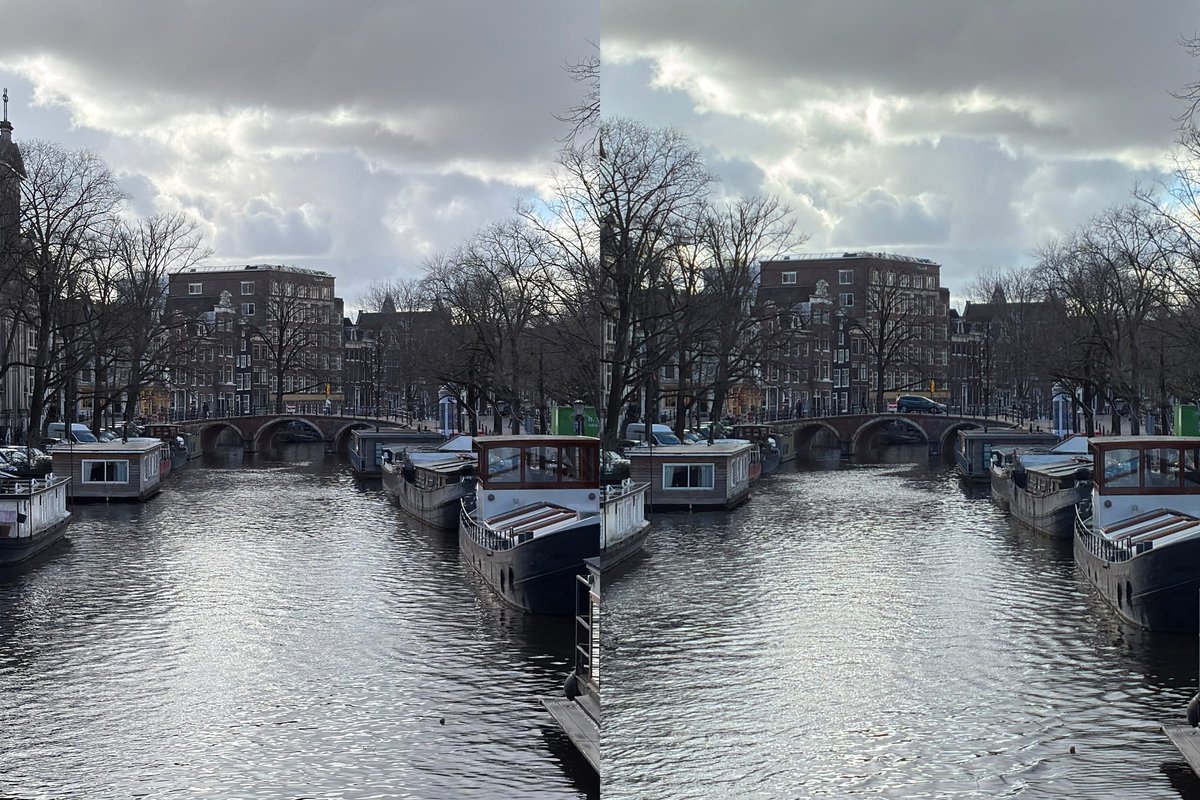
To truly understand the iPhone 16e's camera, it's crucial to see how it stacks up against the slightly more premium iPhone 16. We conducted an extensive 200-photo shootout, pushing both phones in various conditions.
The Hardware Differences Under the Hood
- iPhone 16e: Packs a single 48MP main camera.
- iPhone 16: Features a 48MP main camera and a 12MP ultrawide camera. This second lens is the primary differentiator.
Performance: Where the Differences Emerge
- Daytime Photography: A Surprising Tie
In bright, well-lit conditions, both phones are exceptional. Our tests showed identical levels of detail and exposure. Whether you're capturing landscapes, portraits, or street scenes in daylight, the iPhone 16e holds its own beautifully. Considering the $200 price difference, this is where the 16e truly shines, offering incredible value. - Dynamic Range: iPhone 16 Edges Ahead
When dealing with high-contrast scenes – think bright sunny skies against deep shadows – the iPhone 16 slightly outperforms its sibling. It manages to expose shadows a bit better, preserving more detail in the darker parts of the image without blowing out the highlights. The difference isn't always dramatic, but it's noticeable if you're pixel-peeping. - Colors: Another Dead Heat
If you love Apple's natural, true-to-life color science, you'll be happy with both devices. Our shootout revealed very similar color reproduction and saturation levels across the board. Neither phone leans too warm or too cool; they both strive for accuracy. - Low Light: iPhone 16 Wins Overwhelmingly
This is where the distinction becomes stark. The iPhone 16 performs significantly better in dimly lit environments. It boosts exposure more effectively and draws out finer details that the iPhone 16e struggles to capture. The 16e's smaller sensor and likely less advanced computational processing for low light, combined with the absence of sensor-shift stabilization, mean blurrier shots and more "smudging" as the phone attempts to clean up noise. If you frequently shoot indoors or after sunset, the iPhone 16 will consistently deliver cleaner, brighter, and more detailed results. - Macro Photography: iPhone 16 Takes the Crown
The iPhone 16's ultrawide camera isn't just for wide shots; it's also key to its macro capabilities. The iPhone 16 can focus much closer to subjects, rendering intricate details with impressive definition. The iPhone 16e, with its single main lens, simply cannot achieve the same close focus. If you enjoy capturing tiny details – dew drops on a leaf, the texture of a fabric – the iPhone 16 offers a dedicated, superior experience. - Panorama: iPhone 16 Maintains Consistency
Creating wide panoramic shots is possible on both phones, but the iPhone 16 handles them with more grace. It maintains more consistent exposure across the entire panorama, especially in challenging lighting conditions. The iPhone 16e, while capable, occasionally showed slight over-exposure in brighter sections of a panoramic sweep. - Portrait Mode: iPhone 16's Superior Edge Detection
As mentioned, the iPhone 16e does an admirable job with its single-camera Portrait mode. However, the iPhone 16, utilizing its ultrawide camera in conjunction with its main lens and advanced computational photography, achieves better edge detection. This means more precise separation between your subject and the background, leading to a more realistic-looking bokeh effect and often better-exposed subjects. - Selfie Camera: iPhone 16 Offers Better Tone
Both phones share the same 12MP TrueDepth selfie camera, and indeed, they capture identical fine details in your facial features. However, our tests found that the iPhone 16 consistently cast a more realistic exposure and skin tone. The iPhone 16e, while still good, occasionally applied a slight orange tint to selfies. This is a subtle difference, but one that can impact how flattering your self-portraits appear. - Zoom: A Level Playing Field (Mostly)
Neither the iPhone 16e nor the iPhone 16 boasts a dedicated telephoto lens. Both rely on digital zoom, cropping into the main 48MP sensor. At 1x, 2x (the 16e's "optical" zoom equivalent), and even pushing to 10x digital zoom, performance is largely comparable. There wasn't an overwhelming winner here; in some specific tests, the iPhone 16e even managed to deliver slightly more legible text at higher zoom levels. Expect acceptable quality at 2x, but significant degradation beyond that on both models.
The iPhone 16e Camera: Who Is It Really For?
After all the comparisons, the verdict is clear: the iPhone 16 offers a superior and more versatile camera experience, primarily due to its ultrawide camera. This lens opens up possibilities for wider landscape scenes, more expansive group shots, and crucial macro photography that the 16e simply can't match. For many, the added functionality of the ultrawide camera alone justifies the price difference for the iPhone 16.
However, the iPhone 16e holds its ground remarkably well in many categories, often matching the iPhone 16 where it matters most for casual users – especially in good light. The 16e delivers an "essential" iPhone photography experience, heavily augmented by software.
If you are a photographer who:
- Primarily shoots in good lighting conditions.
- Doesn't often need ultra-wide angles for landscapes or group photos.
- Has little interest in extreme close-up macro photography.
- Is comfortable with working around low-light limitations by ensuring good stabilization or shooting multiple frames.
- Enjoys shooting and editing RAW files using third-party apps for maximum flexibility.
- Prioritizes value and core camera quality over maximum versatility.
...then the iPhone 16e's camera might be perfect for you. It offers excellent value for its price point, delivering reliable, high-quality images in most everyday scenarios. For those wondering about the overall value proposition, you might want to dive deeper into understanding Is iPhone 16e a good buy? beyond just its camera.
What the iPhone 16e Camera Doesn't Have (Compared to Pro iPhones)
While the 16e is strong in its essentials, it’s worth noting the features it foregoes, especially when stacked against its Pro siblings. These aren't necessarily deal-breakers for the target audience but represent a significant divergence in capabilities.
- ProRAW and Apple Log Capture: These advanced formats give professional photographers immense flexibility in post-production by preserving far more image data. The 16e doesn't offer them natively, though third-party apps can enable RAW capture (more on that below).
- Night Mode Portrait Mode: While the 16e has Night mode and Portrait mode, it can't combine them for low-light portraits, a feature found on Pro models.
- Cinematic Mode in Video: This mode, found on Pro iPhones, allows you to shift focus between subjects with a beautiful depth effect while recording video, adding a professional touch. The 16e lacks this.
- Action Mode in Video: Designed for incredibly stable footage even in extreme motion, Action mode relies heavily on sensor-shift stabilization, which the 16e does not have. This means you'll need to be more mindful of stability when shooting video on the 16e.
- Macro Mode (as discussed): This requires the ultrawide camera found on the iPhone 16 and Pro models.
The Role of Software and Third-Party Apps: Elevating the 16e Experience
The iPhone 16e truly excels as a single-lens camera due to the power of iOS and its vibrant app ecosystem. Apple's native camera app provides a fantastic baseline, but the real magic often happens when you venture into third-party solutions.
Apps like Halide (a popular choice for serious mobile photographers) allow for:
- RAW Capture: While the native app doesn't offer ProRAW, Halide and similar apps can capture standard RAW files. This is a game-changer for those who want to push their edits further, providing a flat image with much more data for exposure and color adjustments. In low light, a RAW file from the 16e can sometimes yield unique, moody results that some photographers prefer over Apple's standard Night mode HEIC processing.
- Enhanced Zoom Controls: Some apps offer more sophisticated digital zoom algorithms or manual focus controls that can give you greater precision.
- Custom Camera Controls: Take full manual control over ISO, shutter speed, and white balance, allowing for more creative and specific shots.
This means that while the 16e's hardware is "essential," its software capabilities are anything but. The robust app store effectively extends the camera's utility, making it a highly adaptable tool for those willing to explore.
Practical Photography Tips for the iPhone 16e User
To get the most out of your iPhone 16e camera, keep these tips in mind:
- Embrace the Light: The 16e thrives in good light. Prioritize shooting outdoors or in well-lit indoor spaces whenever possible. You'll be rewarded with crisp, detailed images comparable to much pricier phones.
- Steady Does It in Low Light: Since the 16e lacks sensor-shift stabilization, stability is paramount in dim conditions. Brace your phone against a solid surface, use a tripod, or simply hold it as still as possible to minimize blur in Night mode shots.
- Learn Your 2x Zoom: The 2x "optical" zoom is a useful feature. Practice using it to frame subjects more tightly without significant loss of quality. Just remember that pushing beyond 2x into higher digital zoom territory will start to look "crunchy" or pixelated quickly.
- Experiment with Portrait Mode: Even with a single lens, the 16e's Portrait mode is effective. Play with the Depth Control slider after taking a photo to find the perfect level of background blur.
- Dive into Third-Party Apps: If you're serious about mobile photography, invest in an app like Halide. Learning to shoot and edit RAW files can unlock a new level of creative control and image quality from your 16e.
- Don't Forget About Video: The 16e's video capabilities are truly excellent, especially with Dolby Vision HDR. Take advantage of it for vibrant, professional-looking clips.
- Mind the Selfie Tint: While subtle, be aware of the potential orange tint in selfies. You can often correct this quickly with a quick edit in the Photos app or your preferred editing software.
The Verdict: An "Essential" Experience, Mastered.
The iPhone 16e's camera capabilities and overall photography experience are a testament to Apple's prowess in computational photography. It’s a highly capable single-lens system that delivers excellent results in most common scenarios, particularly in good lighting. Its 48MP main sensor is a powerhouse, and its video capabilities are top-tier.
While it can't match the versatility of the iPhone 16 with its ultrawide lens, nor the comprehensive professional toolset of the Pro models, the 16e carves out its own niche. It's for the discerning user who values core image quality, appreciates the power of software, and perhaps enjoys a bit of post-processing. With a keen eye for light and the judicious use of third-party apps, the iPhone 16e can be an incredibly rewarding photographic companion, proving that you don't need a myriad of lenses to capture stunning images.