The iPhone 16e's Price Tag: Are You Paying for Progress, or Just the Brand?
So, Apple's gearing up to launch the iPhone 16e on February 28, 2025, positioning it as an "affordable" gateway into the iPhone 16 family. Priced at £599 / $600 for the 128GB model, it boasts the new Apple A18 chip and supports Apple Intelligence. Sounds appealing, right? But here’s the rub: that price point, while seemingly budget-friendly for an iPhone, puts it directly in competition with some truly stellar devices—many of which offer significantly more bang for your buck, even if they don't carry the Apple logo.
This comprehensive guide dives deep into iPhone 16e Alternatives: Comparing Flagship Smartphones, helping you navigate the saturated market and discover phones that outshine Apple's "budget" offering without breaking the bank. We’re talking about devices that deliver superior displays, more versatile camera systems, cutting-edge designs, and often, longer-lasting software support, all for a similar or even lower cost. If you’re considering the 16e, it's crucial to understand what you might be missing out on by sticking strictly to its advertised features.
At a Glance: What You'll Discover
- The iPhone 16e's Hidden Compromises: Why its "affordable" label might mask dated tech.
- Flagships for Less: Top alternatives from Apple, Samsung, Google, and OnePlus that offer superior features at a similar or better price.
- Decoding Value: What key specs like display refresh rate, camera versatility, and software support truly mean for your daily use.
- The iOS-to-Android Leap: How easier it's become to switch ecosystems without losing key functionalities.
- Your Personal Buying Guide: A checklist to help you decide which phone best fits your needs and budget.
The iPhone 16e Dilemma: Unpacking Apple's "Affordable" Offering
Let's face it, the allure of a new iPhone is strong. The 16e promises Apple Intelligence and the A18 chip, which are undeniably powerful. But dig a little deeper into its reported specifications, and you'll find some notable compromises for its $600 price tag.
For instance, the 6.1-inch OLED display, while bright (800 nits typical / 1,200 nits peak HDR), is limited to a rather anachronistic 60Hz refresh rate. In an era where 120Hz has become standard even on many mid-range phones, this means less fluid scrolling and a less responsive feel compared to its peers. Then there's the design: a dated notch and chunky borders hark back to earlier iPhone generations, and critically, a single 48MP rear camera. This single lens, while capable, instantly signals "budget phone" when competitors are packing versatile triple-camera arrays with ultra-wide, telephoto, and advanced zoom capabilities. Add to that its battery life of up to 26 hours for video playback, which is solid, but not groundbreaking.
So, while it offers the Apple ecosystem and a powerful chip, many of its other components feel like they're playing catch-up, especially when stacked against similarly priced rivals. Before you commit, it's worth asking: is the iPhone 16e truly worth it, or could your money be better spent elsewhere?
What Makes a True Flagship Worth Your Investment?
Before we dive into the alternatives, let's establish what generally separates a true flagship experience from a merely competent one, especially when you're spending $600 or more:
- Display Quality: Beyond brightness, look for high refresh rates (90Hz or 120Hz for smooth scrolling), high resolution, and vibrant color accuracy.
- Camera Versatility: A flagship usually offers more than one lens—think ultra-wide for expansive landscapes, telephoto for zooming without pixelation, and advanced computational photography for stunning low-light shots and portraits.
- Performance: A powerful, current-generation processor is key, not just for speed, but for running demanding apps, games, and advanced AI features.
- Battery Life & Charging: Not just how long it lasts, but how quickly you can top it up. Fast charging, and often wireless charging, are expected.
- Design & Materials: Premium materials like glass, metal, or titanium, along with modern aesthetics (thin bezels, punch-hole cameras), contribute to a flagship feel.
- Software & AI Integration: Beyond raw power, how seamlessly the device integrates with intelligent features, and how long it will receive updates, is crucial for longevity.
- Ecosystem & Features: USB-C, MagSafe compatibility (for iPhones), advanced haptics, and robust speakers all enhance the user experience.
The iPhone 16e hits some of these marks with its chip and Apple Intelligence, but falls short on display refresh rate, camera versatility, and modern design compared to many phones in its price bracket.
Beyond the 16e: Top Flagship Alternatives Delivering More Value
This is where things get exciting. For the same price, or often less, you can get a phone that doesn't just meet, but often exceeds, the iPhone 16e's offerings in critical areas.
The Refurbished Rebel: iPhone 15 Pro (2023)
If you're an iOS loyalist but feel underwhelmed by the 16e's spec sheet, the iPhone 15 Pro is your secret weapon. Though a year older, it was a true flagship in 2023, and you can now find refurbished or second-hand models for around £500. This isn't just a slight upgrade; it's a monumental leap.
You're getting a premium titanium design, a versatile triple-camera system with a dedicated 5x optical zoom lens, and the convenience of USB-C. Crucially, it also supports Apple Intelligence and houses the more powerful A17 Pro chip, which even brings ray-tracing capabilities for mobile gaming—something the A18 in the 16e may not match for graphical prowess. The 15 Pro also boasts a buttery-smooth 120Hz ProMotion display, faster MagSafe charging, and a brighter screen than the 16e. With Apple's legendary software support, you can expect 5-7 more years of updates, making it a truly future-proof choice.
Practical Tip: When buying a used iPhone 15 Pro, always ask for proof of battery health (aim for 80-90% or higher) and thoroughly inspect for any major cosmetic damage. A reputable seller will provide these details upfront.
The Android Titan: Samsung Galaxy S24 (2024)
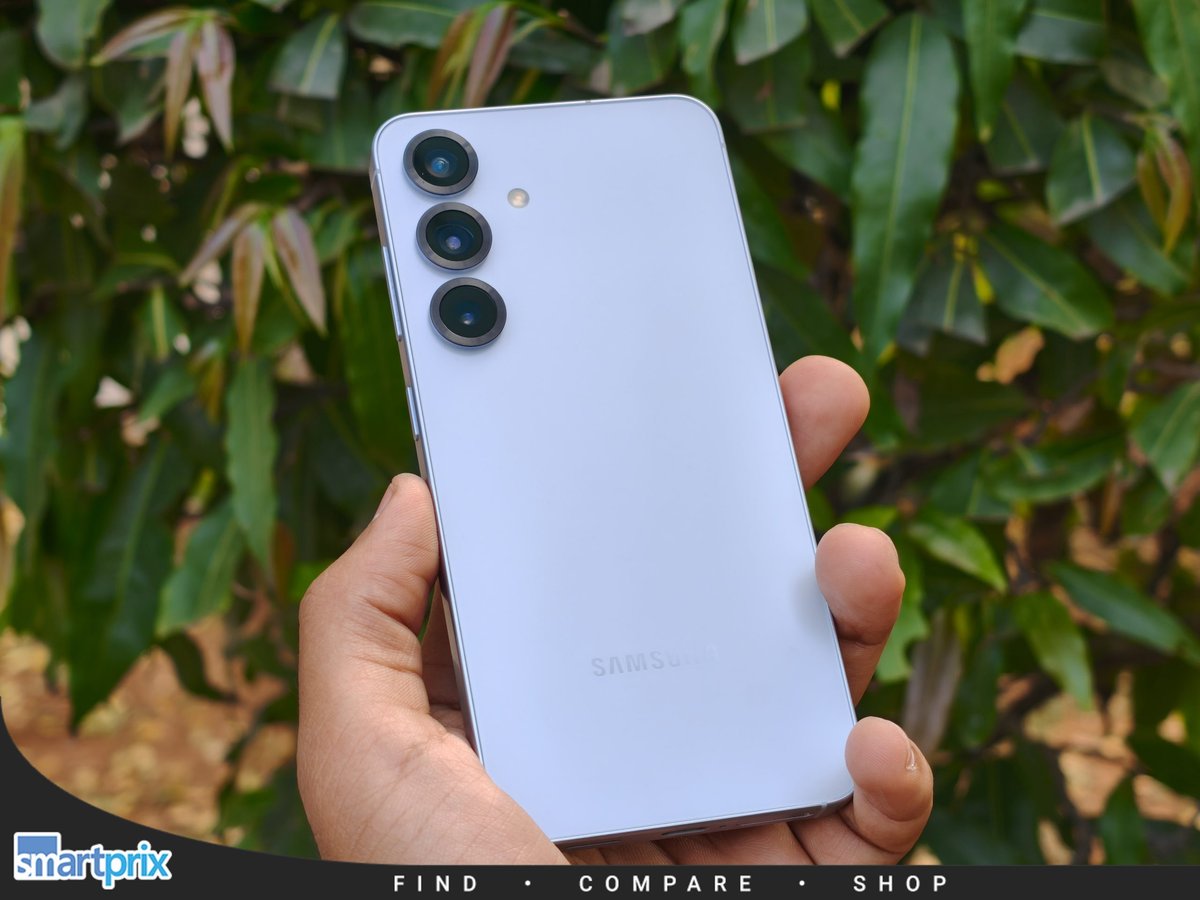
If you're ready to explore beyond Apple, the Samsung Galaxy S24, launched in 2024, is available brand-new for roughly the same price as the iPhone 16e. This is a direct, head-to-head competitor that absolutely pulls ahead in several key areas.
The S24 features a sophisticated triple-camera setup, including an ultra-wide lens and a zoom lens, giving you far more photographic flexibility than the 16e's single camera. Its display is a vibrant 120Hz panel with an incredible 2,600 nits peak brightness, making it a joy to use outdoors. You also get 8K video recording and the comprehensive Galaxy AI suite, powered by a top-tier Snapdragon 8 Gen 3 chip. Samsung is committed to longevity, promising an impressive seven years of software updates—often surpassing Apple's support for older models. This means your Galaxy S24 will stay current and secure for a very long time, offering tremendous value over its lifespan.
The AI Innovator: Google Pixel 9 (2024)
Google's Pixel lineup has become synonymous with cutting-edge AI and phenomenal computational photography, and the Pixel 9, also from 2024, continues this tradition. While its pricing isn't explicitly stated as being under $600 for a new model in the ground truth, its value proposition for AI and camera features is compelling, making it a strong contender if it lands around the 16e's price point.
The Pixel 9 sports a robust dual-camera system that, thanks to Google's advanced AI algorithms, often outperforms phones with more lenses. It features a built-in multimodal AI assistant (Gemini), capable of interacting intelligently with images, text, and voice directly on your device. With 12GB of RAM, a 6.3-inch OLED display (60–120Hz refresh rate), and a blinding 2,700 nits peak brightness, it's a powerhouse. Do note, however, that the most advanced AI features may require an £18.99 per month Google One subscription. Pixel phones are also known for their distinct, vibrant color options, adding a touch of personality.
The Powerhouse Performer: OnePlus 12
For those who prioritize raw power, a stunning display, and incredibly fast charging, the OnePlus 12 is a standout. While typically priced slightly higher than the 16e, its features justify the investment and can often be found with discounts.
It boasts a massive 6.82-inch OLED display with a silky 120Hz refresh rate, making it an absolute dream for gaming, streaming, and productivity. Under the hood, it delivers powerful performance with a top-tier chip, complemented by three Hasselblad-tuned lenses for impressive photography. The 5,400mAh battery is colossal, often lasting up to two days on a single charge, and its 100W fast charging can take it from 0-100% in a blistering 26 minutes. Its design, with elegant curved edges and a distinctive circular camera bump, feels truly premium.
The Stylish Contender: Nothing Phone 3a Pro
If you appreciate unique design and a clean, user-friendly software experience, the Nothing Phone 3a Pro offers a refreshing alternative. While its exact launch date and pricing relative to the 16e are not specified as direct matches in the ground truth, its feature set suggests it aims for a compelling value in the premium mid-range.
This phone offers a solid tri-camera system with significant zoom capabilities, a great screen, and smooth performance thanks to its Qualcomm Snapdragon chip. Its custom OS skin provides a distinct, uncluttered Android experience, and the iconic Glyph Interface on the back adds a unique visual flair and customizable light patterns for notifications. While its camera bump is noted as large, it's a small trade-off for a phone that truly stands out from the crowd in terms of aesthetics and thoughtful design.
Smart Savings: Google Pixel 8a
Stepping slightly down in price, but not in value, is the Google Pixel 8a. Often celebrated as the best-value midrange Google phone, it frequently comes with heavy discounts that make it significantly more affordable than the iPhone 16e, while still offering a "flagship-lite" experience.
The Pixel 8a shares many features with its more expensive sibling, the Pixel 8 Pro, including a gorgeous OLED screen and a capable dual-sensor front camera array (64MP main and 13MP ultrawide). It leverages Google's unparalleled computational photography for stunning photos and videos, and integrates many of Google's AI features. If you're looking for an excellent camera, a clean Android experience, and guaranteed long-term software support from Google, the Pixel 8a is an incredibly smart buy that leaves more money in your pocket.
The Charging Champ: OnePlus Nord 4
The OnePlus Nord 4 is another strong contender that directly challenges the iPhone 16e's price point, often reducible to as low as $450 with trade-in offers. It punches above its weight in several key areas, particularly battery and charging.
This phone features a premium metal unibody 5G frame, giving it a solid, high-end feel. Its beefy 5,500mAh battery provides excellent endurance, but the real star is its 100W fast charging. Just like the OnePlus 12, this means you can rapidly top up your phone and get back to your day without being tethered to an outlet for long. While specific camera details aren't provided, Nord series phones typically offer competent multi-lens setups, making them versatile choices for everyday photography and social media.
Making the Switch: iOS to Android - Easier Than Ever?
One of the biggest mental hurdles for iPhone users considering alternatives is the perceived difficulty of switching ecosystems. Historically, migrating from iOS to Android could be a bit clunky, especially with messaging. But those days are largely behind us.
Significant improvements, like the widespread adoption of RCS (Rich Communication Services) for Android messaging, mean features like read receipts, typing indicators, and high-quality photo and video sharing are now standard when messaging other Android users. This closes a major gap that Apple users often cited as a reason to stay. Furthermore, the tap-and-swipe interfaces across both iOS and modern Android versions have converged, making the basic navigation feel incredibly familiar. Most popular apps are available on both platforms, and tools for transferring contacts, photos, and even app data have become highly sophisticated.
Ultimately, while there’s always a slight learning curve with any new device, the core functionality and user experience on a premium Android flagship are remarkably similar to what you'd find on an iPhone. The "walled garden" isn't quite as impenetrable as it once was, especially when these Android flagships offer compelling features that the 16e simply doesn't.
Your Decision-Making Checklist: How to Pick Your Perfect Flagship Alternative
With so many excellent options, how do you narrow down the field and choose the best iPhone 16e alternative for you? Consider these key factors:
Budget vs. Features: Where's Your Sweet Spot?
- Under $500: The Pixel 8a or OnePlus Nord 4, especially with trade-ins, offer incredible value for their price.
- Around $600 (iPhone 16e price): The Samsung Galaxy S24 (new) or a refurbished iPhone 15 Pro offer significantly more features.
- Slightly Above $600: The OnePlus 12 or Google Pixel 9 provide top-tier specs that justify a small premium.
Think about what features you absolutely cannot live without versus those that would be nice to have. Don't let brand loyalty blind you to better value.
Camera Prowess: What Kind of Photographer Are You?
- Versatile Shooter: If you love taking wide-angle shots, zooming in on distant subjects, and experimenting with different perspectives, the Samsung Galaxy S24, iPhone 15 Pro, or OnePlus 12 with their multi-lens setups are superior.
- AI Photography Whiz: For incredible point-and-shoot results, especially in challenging conditions, and advanced editing features, the Google Pixel 9 and Pixel 8a excel with their computational photography.
- Unique Aesthetic: The Hasselblad-tuned lenses on the OnePlus 12 offer a distinct photographic style.
The single lens on the iPhone 16e will inevitably limit your creative options compared to any of these alternatives.
Software Experience: Ecosystem or Open Canvas?
- iOS Through and Through: If you're deeply entrenched in Apple's ecosystem (iMessage, FaceTime, Apple Watch, etc.) and prefer its interface, the refurbished iPhone 15 Pro is the obvious choice. You get all the iOS benefits without the 16e's compromises.
- Clean Android: The Google Pixel phones offer a pure, bloatware-free Android experience with immediate access to new features and security updates.
- Customized Android: Samsung's One UI and Nothing OS offer unique spins on Android with additional features and aesthetics. OnePlus's OxygenOS is known for its speed and customization.
Consider how much you value deep ecosystem integration versus the flexibility and customization Android offers. Remember, Android phones now sync well with various smartwatches and accessories.
Battery Life & Charging: Powering Your Day
- Maximum Endurance: The OnePlus 12 and OnePlus Nord 4, with their large batteries, are built for multi-day use.
- Blazing Fast Charging: Both OnePlus models truly stand out here, reducing downtime to minutes. This is a massive convenience feature the iPhone 16e won't offer.
- Solid All-Day: The iPhone 15 Pro and Galaxy S24 offer reliable all-day battery life for most users.
If you're constantly on the go or forget to charge frequently, fast charging can be a game-changer.
Design & Durability: Looks and Longevity
- Premium Materials: Titanium on the iPhone 15 Pro, glass and metal on the Galaxy S24 and OnePlus 12, offer a more luxurious feel than the 16e's likely aluminum frame.
- Modern Aesthetics: Thin bezels, punch-hole cameras, and curved displays on many Android flagships provide a more contemporary look compared to the 16e's dated notch and chunky borders.
- Unique Style: The Nothing Phone 3a Pro's Glyph Interface is truly distinctive.
A phone is a daily companion, so choosing one that feels good in your hand and looks appealing is important.
Future-Proofing: Software Updates and Resale Value
- Longest Support: Samsung's seven years of updates for the S24 and Google's commitment to the Pixel line are industry-leading. Apple's 5-7 years for the iPhone 15 Pro is also excellent.
- Resale Value: While iPhones historically hold their value well, a flagship like the 15 Pro will likely maintain better value than the 16e due to its superior features. High-end Androids like the Galaxy S24 also tend to have strong resale potential.
Investing in a phone with long software support means you won't need to upgrade as often, saving you money in the long run.
Common Questions About Flagship Alternatives
"Are refurbished iPhones reliable?"
Absolutely, if purchased from a reputable vendor. Certified refurbished iPhones go through rigorous testing, often come with a warranty (sometimes even Apple's own), and typically have new batteries or batteries above a certain health percentage (e.g., 80%). It's crucial to buy from trusted sources like Apple Certified Refurbished, carrier programs, or well-known electronics retailers. Avoid unverified sellers on marketplaces.
"Is switching from iOS to Android a hassle?"
No longer. Both operating systems have evolved to be incredibly user-friendly, and most core apps are available on both. Tools like Google Drive, iCloud for Windows, and various migration apps simplify the transfer of photos, contacts, and calendar entries. The biggest initial "hassle" might just be getting used to slightly different menu structures or notification management, but most users adapt within days.
"Do I really need a 120Hz display?"
While not strictly "needed," a 120Hz display offers a noticeably smoother and more fluid visual experience, especially when scrolling through websites, social media feeds, or playing games. Once you've experienced it, going back to 60Hz (like on the iPhone 16e) can feel choppy. It significantly enhances the perception of speed and responsiveness, making it a highly desirable feature for many.
"Is AI on phones just a gimmick?"
Initially, some AI features might seem niche, but on devices like the Galaxy S24 and Pixel 9, AI is deeply integrated and genuinely useful. This includes advanced photo editing (e.g., magic eraser, object repositioning), real-time language translation, smarter search capabilities (e.g., Circle to Search), and more intelligent personal assistant interactions. As these AI models become more powerful and context-aware, they transition from novelties to indispensable tools that enhance productivity and creativity.
Beyond the Hype: Your Next Flagship Awaits
The iPhone 16e, while a new Apple device, arrives with a specification sheet that feels somewhat conservative for its price point. It’s important to see it not just as "an affordable iPhone," but as a competitor in a diverse and highly innovative market. The reality is, for the same $600 or less, you can acquire a smartphone that offers a more advanced display, a more versatile camera system, superior charging speeds, and a more modern design.
Whether you opt for the proven prowess of a refurbished iPhone 15 Pro, the Android versatility and AI of the Samsung Galaxy S24 or Google Pixel 9, or the raw power and battery life of a OnePlus device, you have excellent choices. Each of these alternatives provides a genuine flagship experience, often with features that put the 16e's offerings to shame. Take the time to consider your priorities, weigh the features against your budget, and step beyond the Apple bubble if a truly premium smartphone experience is what you're after. Your ideal flagship is out there, offering far more bang for your hard-earned buck.